
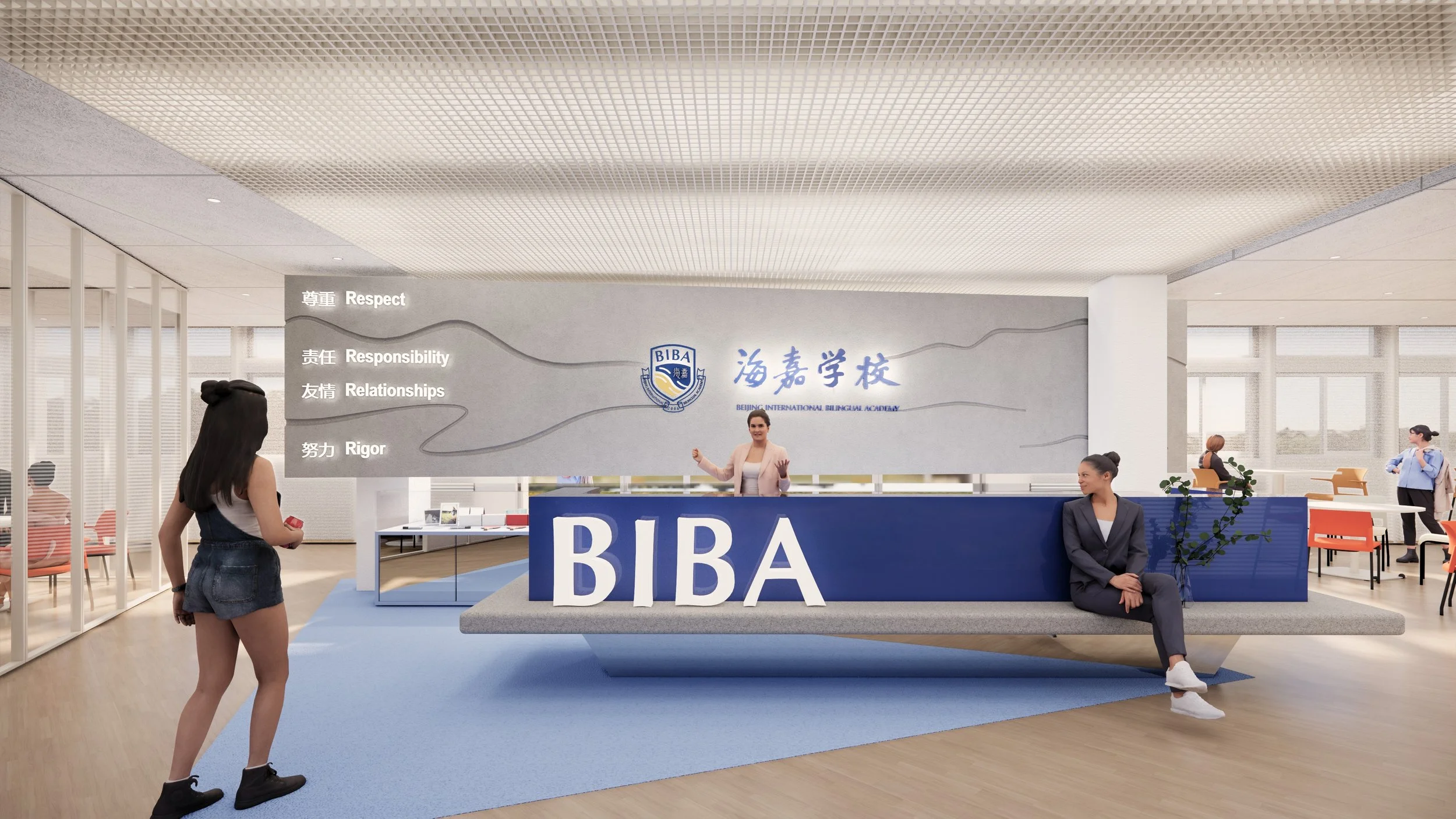
BIBA ELEMENTARY SCHOOL RENOVATION
BEIJING INTERNATIONAL BILINGUAL
ACADEMY SECONDARY SCHOOL
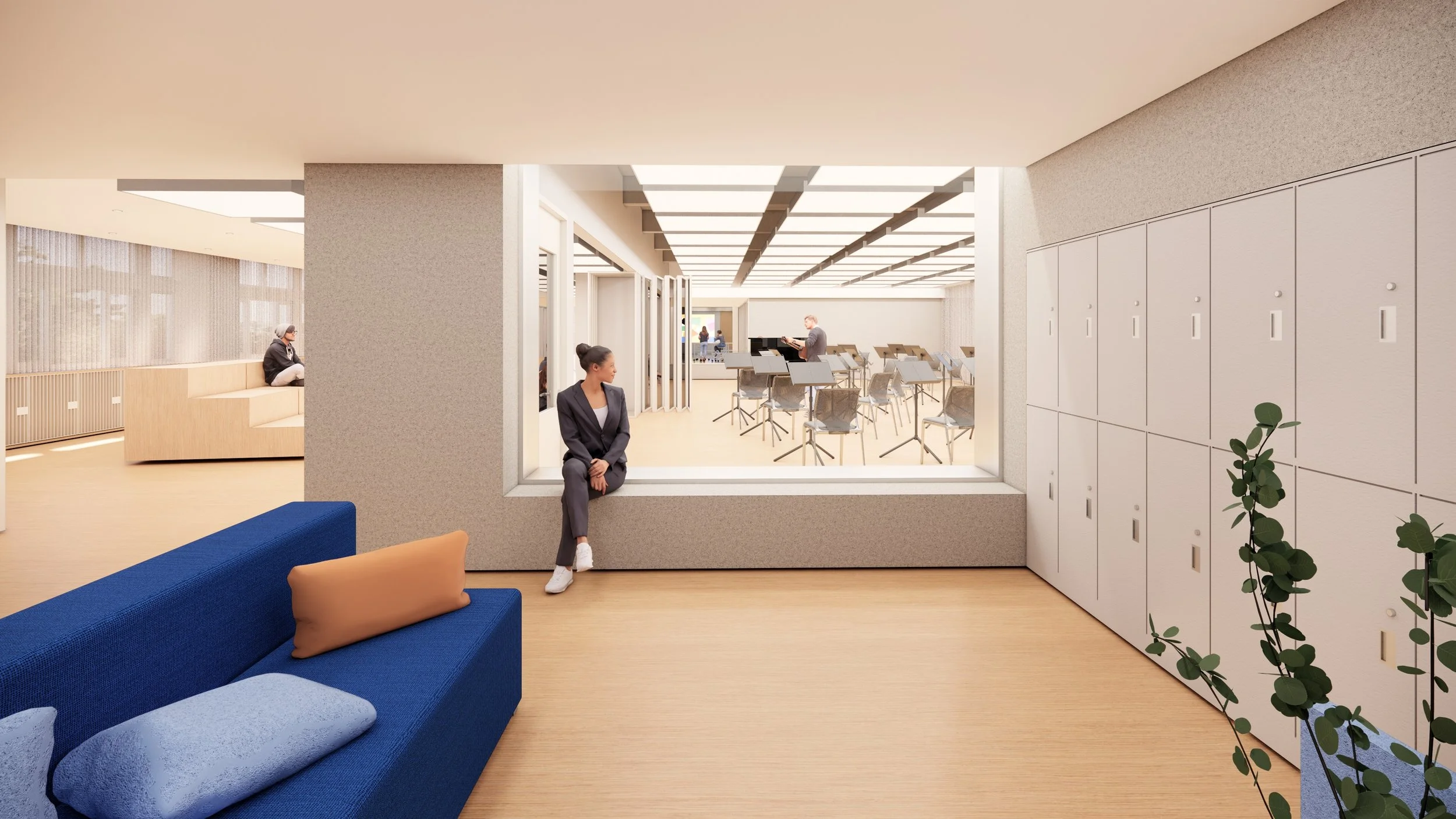
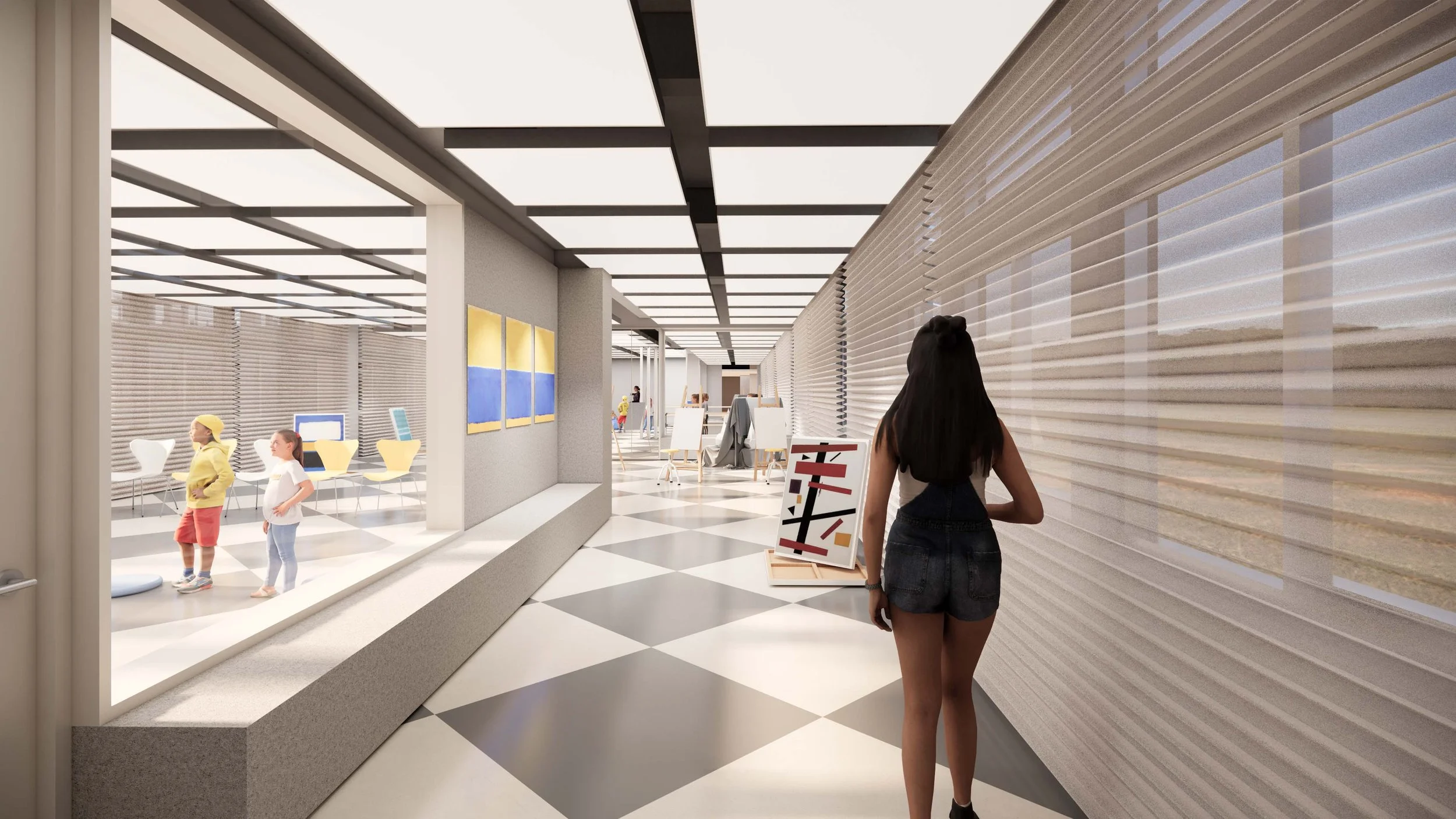
This renovation is guided by the concept of “book and art in motion“, reorganizing spatial functions to integrate learning, artistic engagement, and social interaction throughout the building. Knowledge and creativity are no longer confined to fixed spaces but distributed across classrooms, corridors, and common areas, enabling continuous access and interaction.
LOCATION Beijing, China
AREA 11966 m²
STATUS Completed
CLIENT Beijing International Bilingual Academy
YEAR 2023
PROGRAMS Educational, Interior Renovation
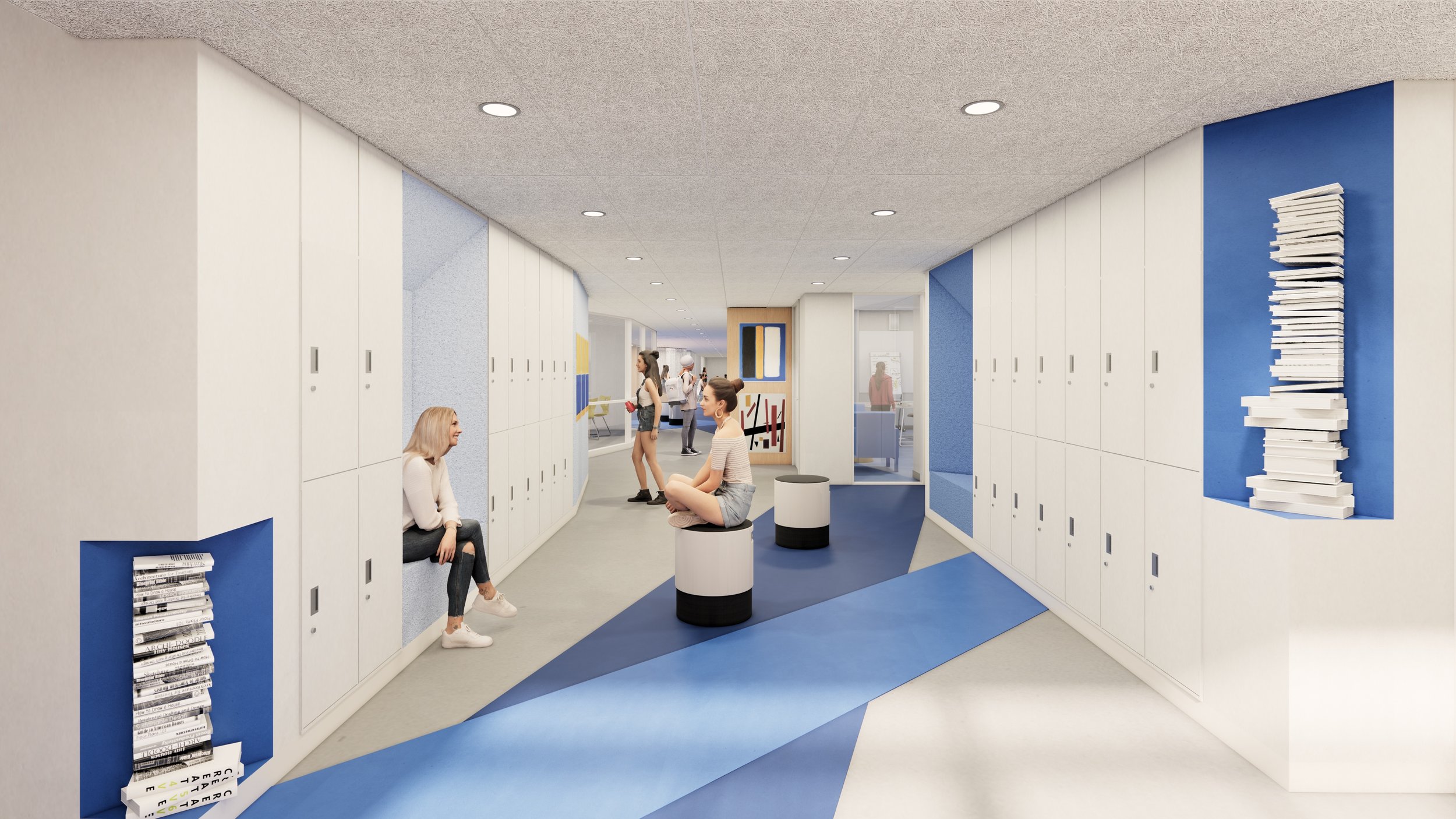
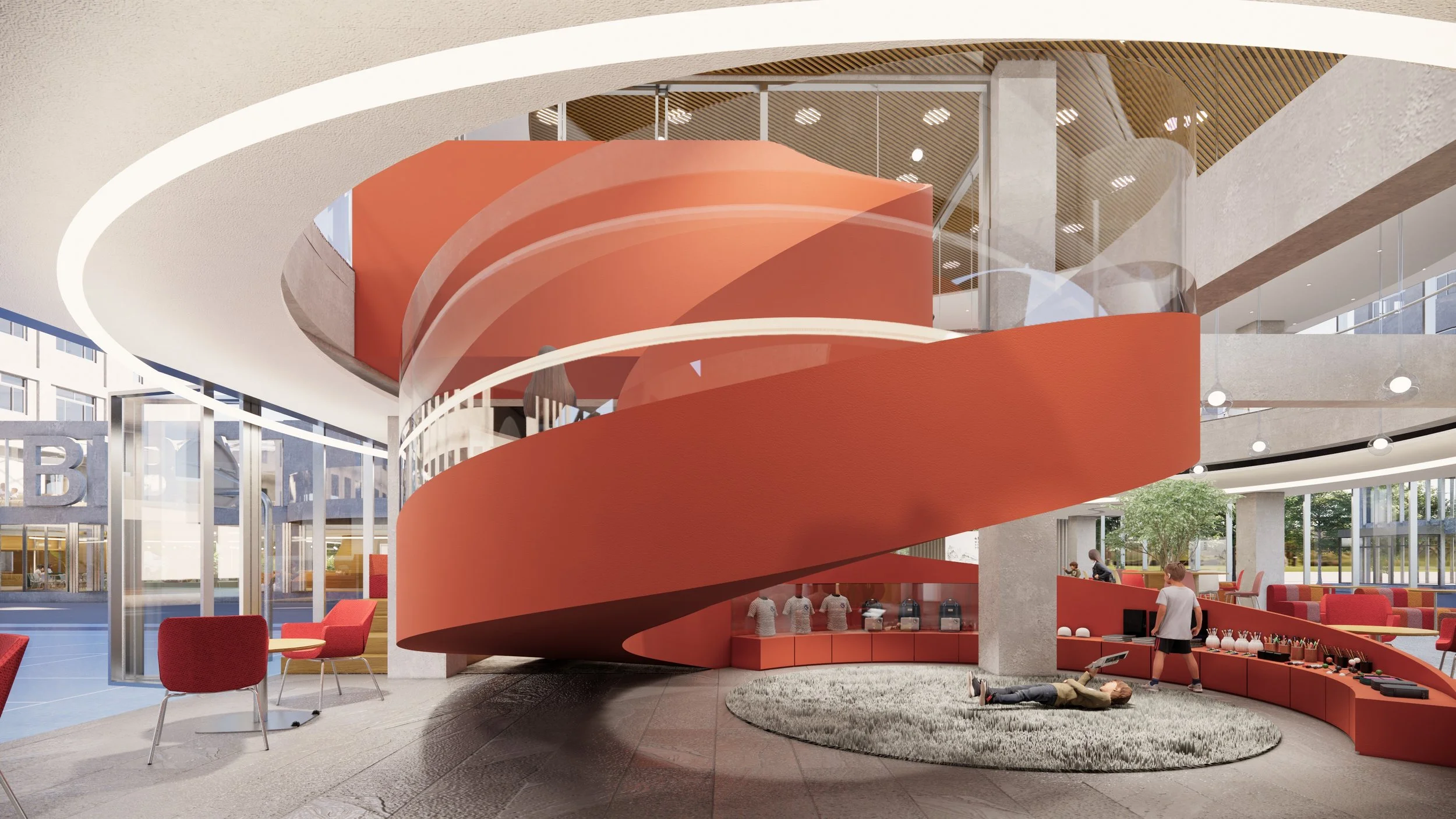
The school building is a U-shaped slab structure, with a five-story south wing connected to the bridge and a six-north wing. Existing functions—including general classrooms, science laboratories, performance spaces, administrative offices, cafeteria, library, and auditorium—are dispersed, limiting circulation efficiency and accessibility. The renovation addresses these constraints while accommodating increasing student numbers and diverse program requirements.
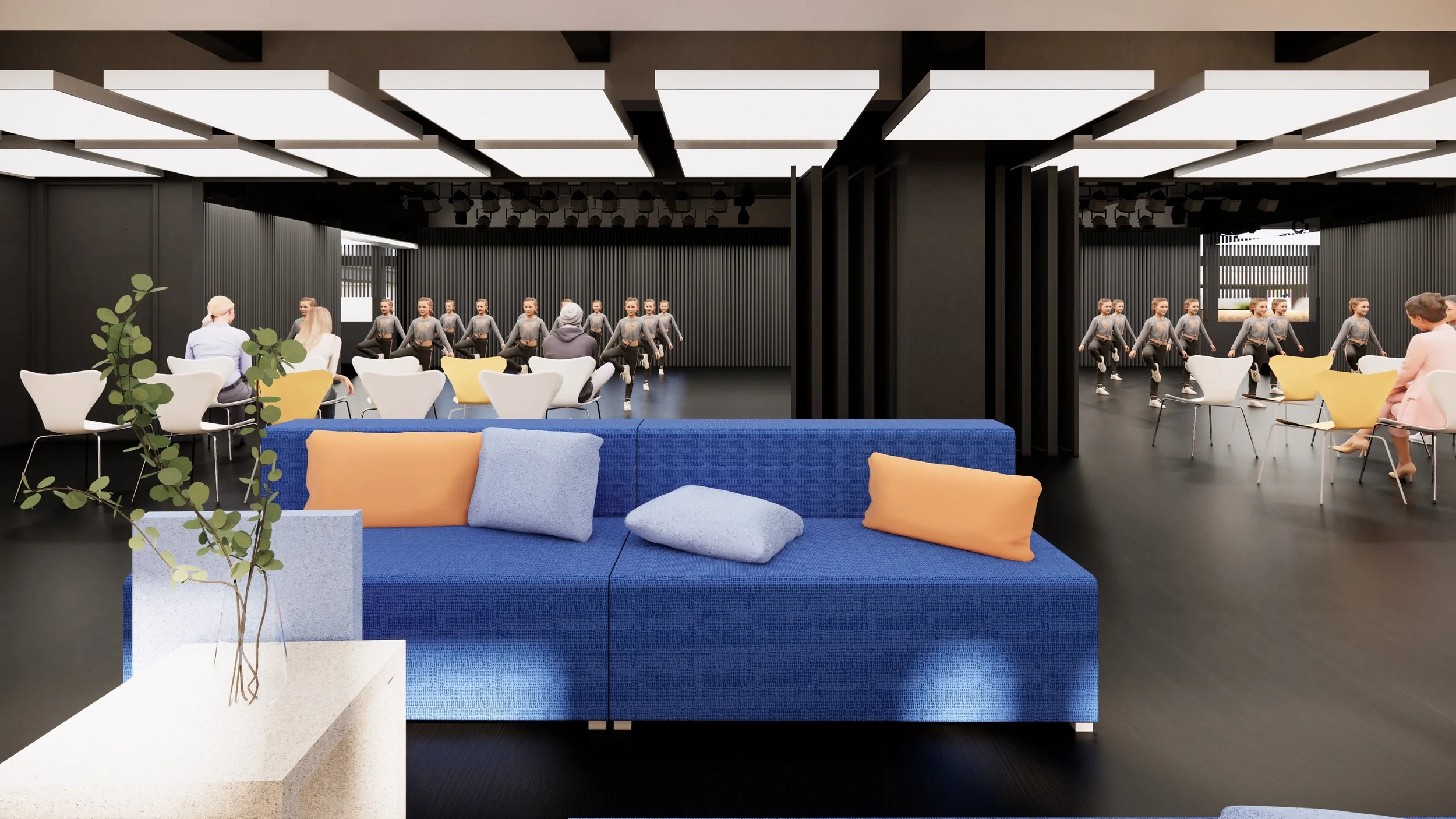
To optimize circulation and management, the middle school occupies the south wing and the high school the north wing, reducing horizontal crossing between grades. The third floor serves as a dedicated arts level, centralizing performance and visual arts spaces to connect the two wings and enhance access to artistic programming. This layout integrates arts as both a curricular and spatial connector.
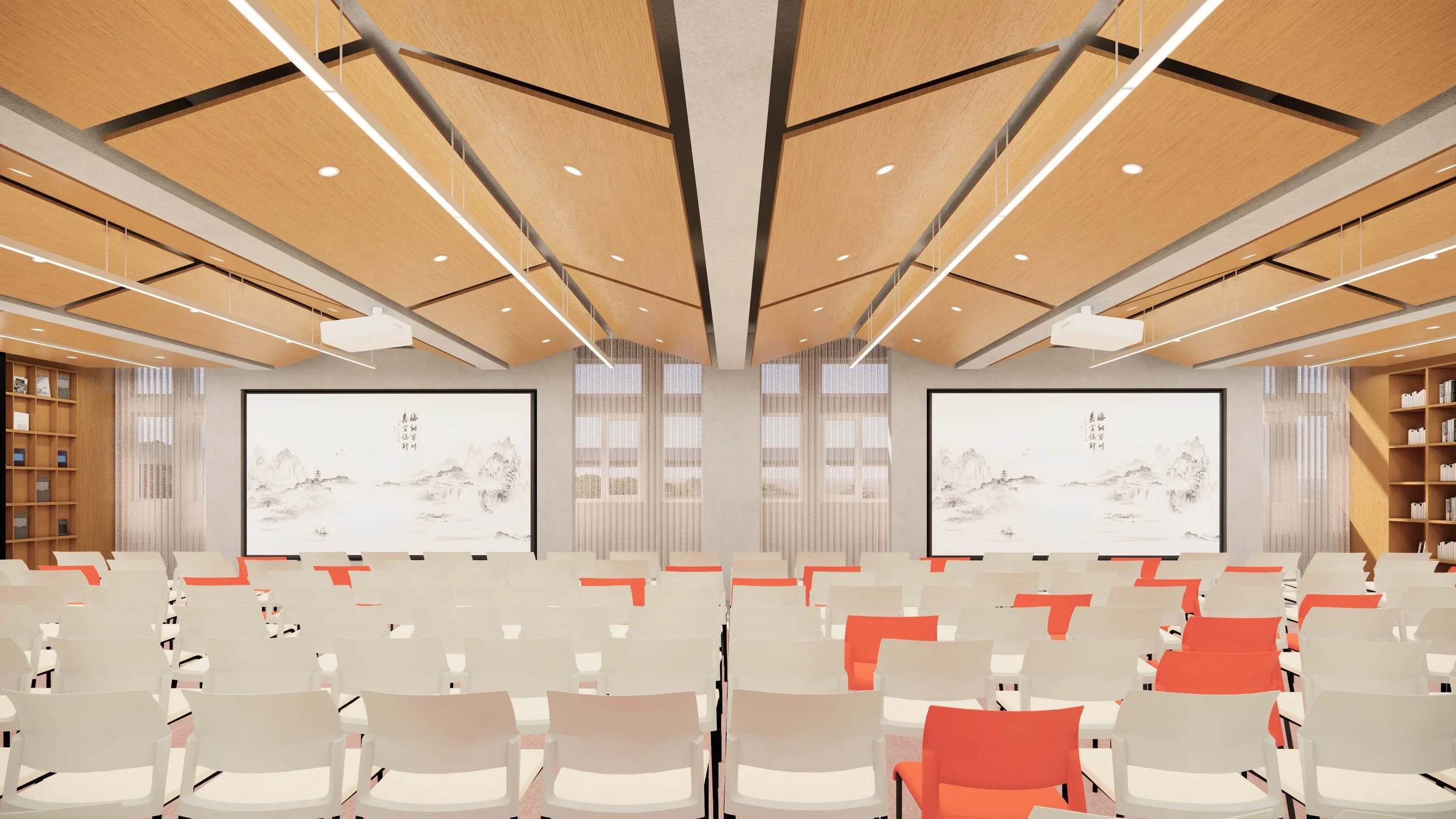
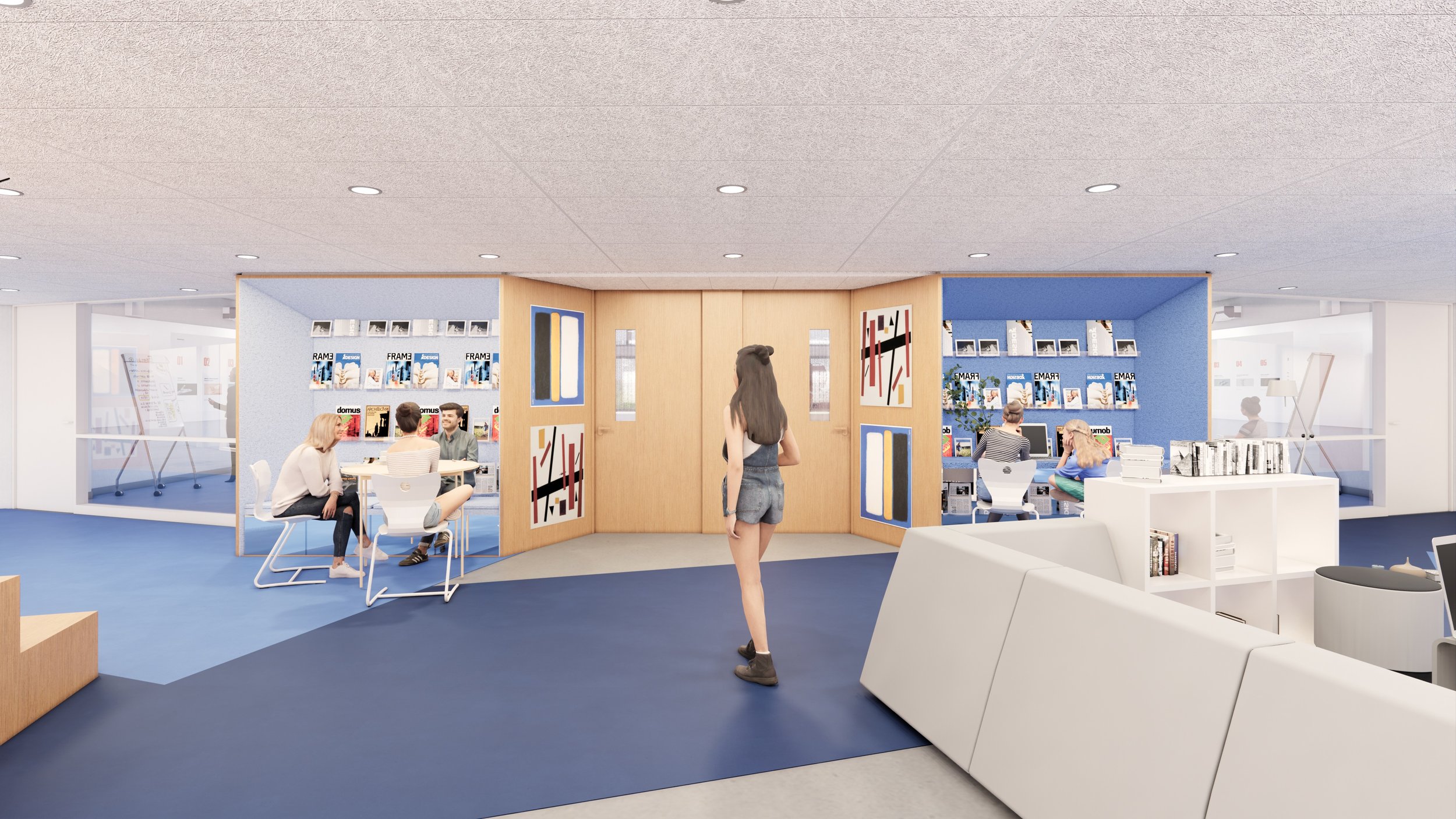
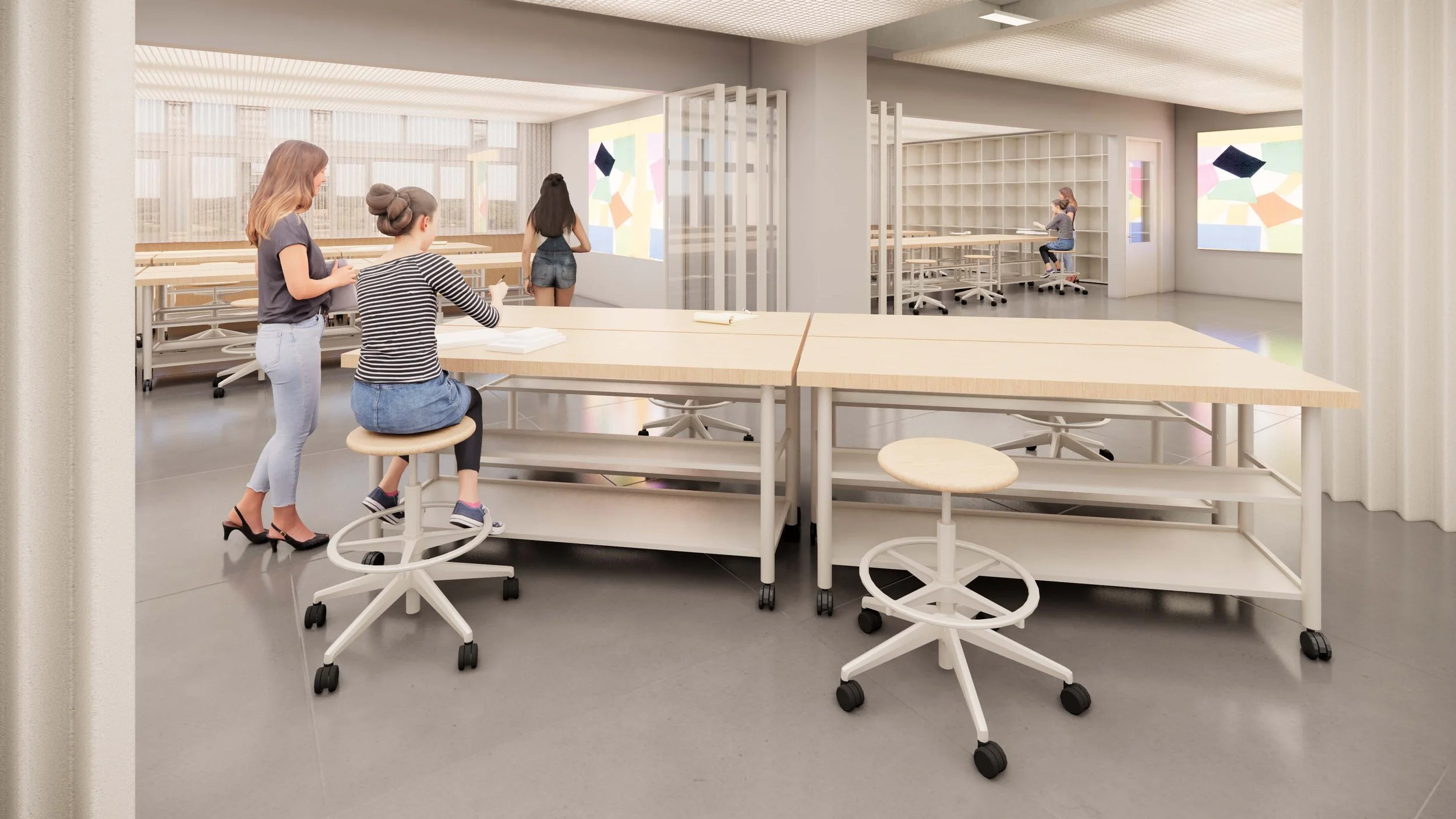
The renovation employs three main strategies to address limited area and high functional demand. First, the library and central exhibition areas are reduced in size, and books and artworks are distributed throughout classrooms, corridors, and lounge spaces, making reading and viewing accessible in daily routines. Second, classrooms and faculty lounges are standardized and modular, allowing flexible adjustments in response to annual enrollment and curriculum changes, enhancing adaptability. Third, the cafeteria and auditorium are designed for multi-mode use, supporting dining, assemblies, examinations, and performances, increasing operational efficiency and functional versatility.
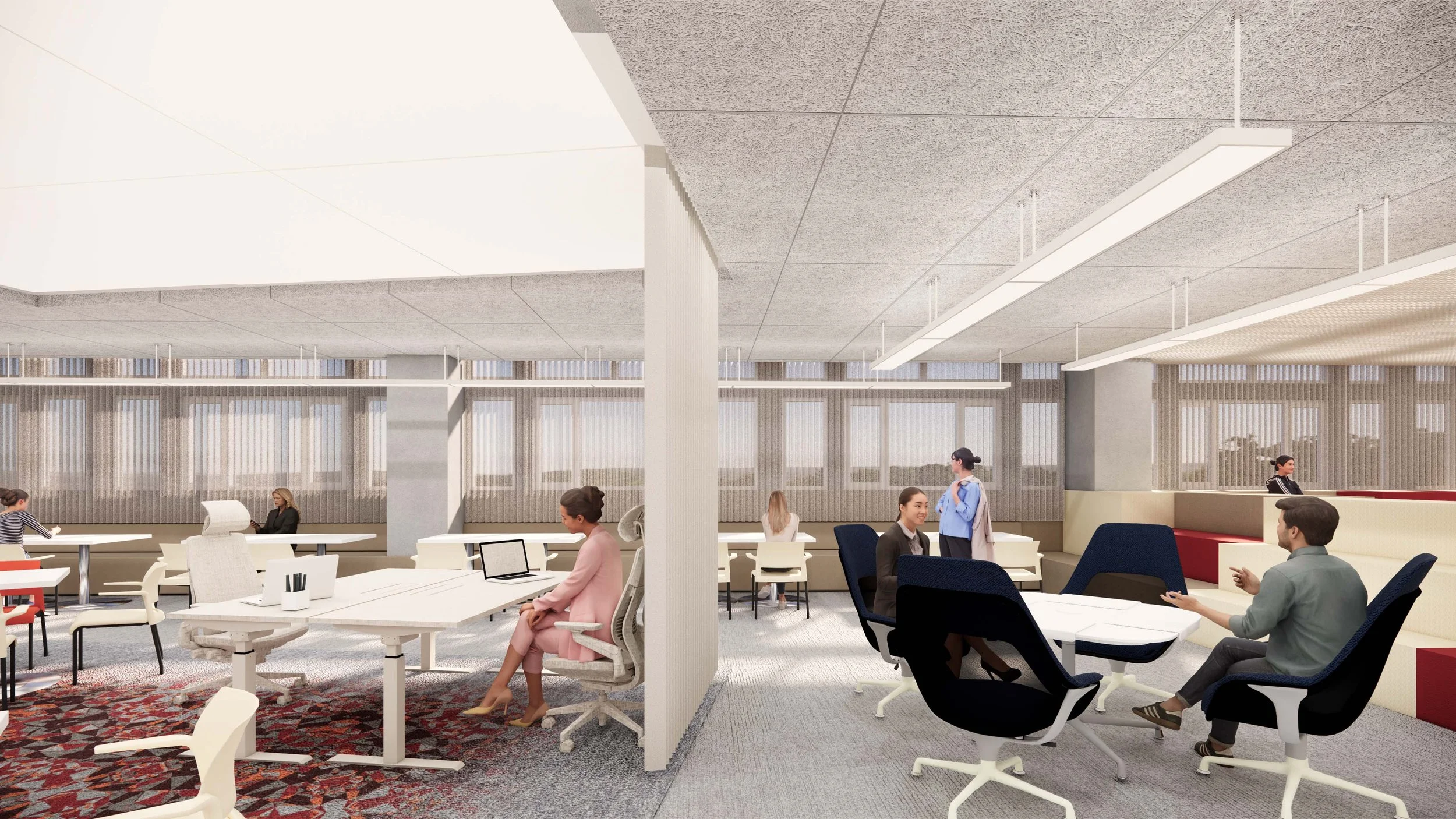
Circulation is designed as an open, continuous system, promoting unimpeded movement and visual connectivity. Distributed books and artworks create informal learning nodes, ensuring knowledge and art are accessible throughout the building rather than confined to dedicated rooms. This approach supports independent study, collaborative learning, and incidental engagement.
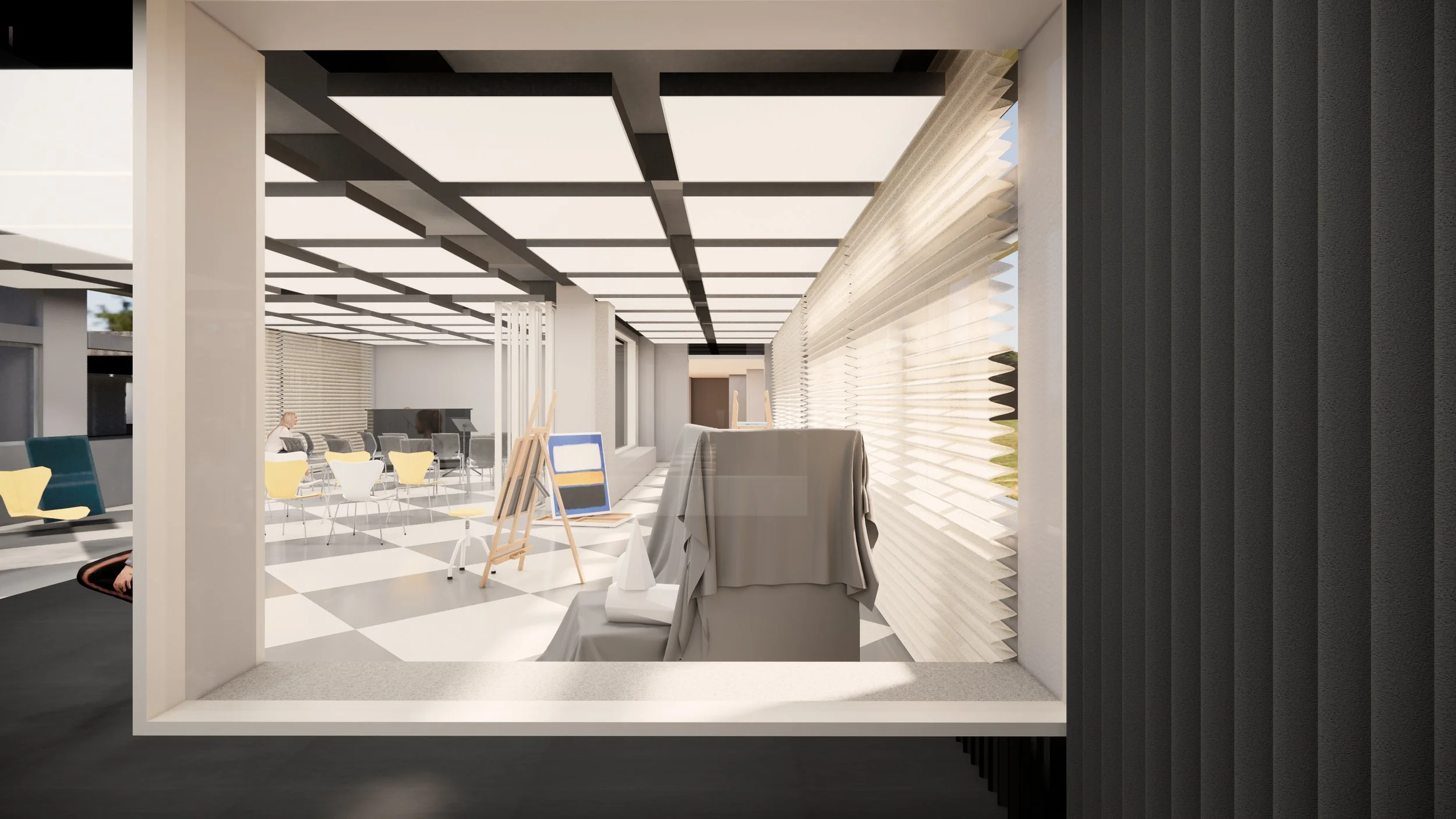
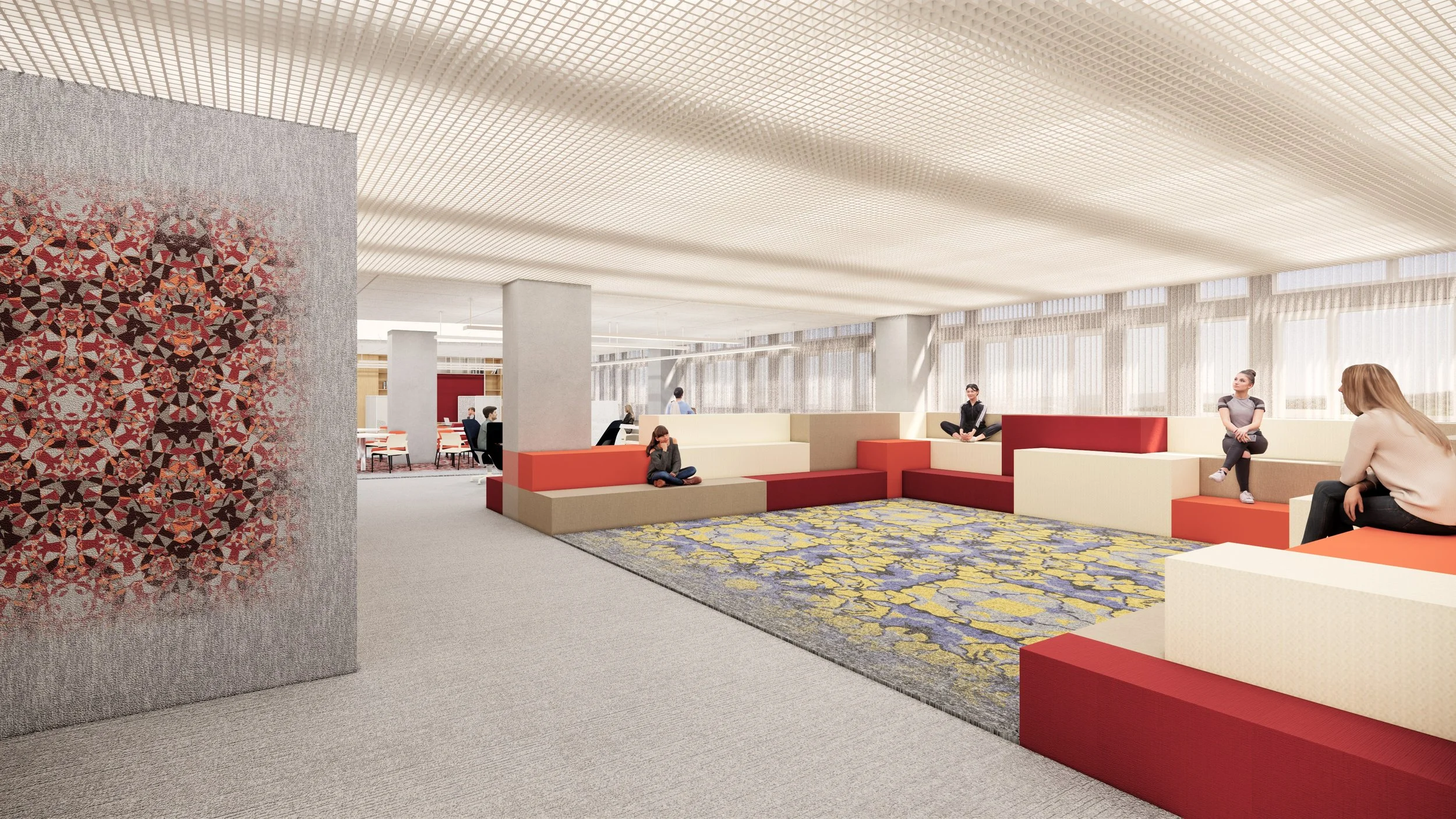
The renovation transforms the school into a dynamic learning ecosystem, where spatial organization supports both structured instruction and informal interactions. Modular classrooms, distributed educational resources, and multi-functional public spaces maximize the building’s educational potential within existing area constraints. Students can move, pause, and collaborate throughout the building, while teachers adjust instructional formats according to program needs, creating an efficient and responsive learning environment.
By embedding books and art into the daily spatial experience, the project redefines the boundaries of learning. Education becomes continuous and integrated, with knowledge and creativity consistently stimulated across the school environment. The building evolves from a static container of instruction into an active platform for engagement, discovery, and social interaction.

CHIEF DESIGNER
Xiaoyi Ma
DESIGN TEAM
Yan Xia, Pengfei Chen, Jiajia Wang, Jing Zhu, Weihui Yan, Kaibo Wang